Navigating with uncertainty.
For people holding responsibility for change and transformation when the way forward isn't clear.
THE TERRAIN: THRESHOLDSAt every threshold, something ends, and something begins.
An ending might sound like: “This isn’t working anymore. This no longer serves the team. We can’t keep going like this. It’s time to focus on something new.”
A beginning may sound like: “Something is emerging. This could serve the team now. We’re ready for change, though it’s unclear. It’s time to see what’s possible.”
The space between what’s ending and what’s beginning is a threshold.
All thresholds are uncertain.
Crossing from “this isn’t working anymore” to “something new is emerging” is rarely straightforward because threshold terrain is unfinished and uncertain.
The way forward cannot be fully known in advance. Some of what you need to know becomes visible only through action.
Some thresholds are consequential.
We encounter micro-thresholds daily. A threshold is consequential when what happens next matters—when choices and participation shape what becomes possible, affecting people, resources, or a shared future.
Leaders hold responsibility at consequential threshold crossings, so our ability to navigate them well matters.
The aim isn’t certainty.
At consequential thresholds, adaptability isn’t the whole solution. Neither are change management, strategy, or planning.
These practices can help us act, but they cannot make an emerging reality fully knowable—or make an impermanent world stay still.
You don’t need tools that falsely promise to create more stability. You need the capacity to navigate reality’s impermanence.
If the whole path cannot be known, how do we move?
We wayfind. And you can learn how.
Is this change management? Not really.
Traditional change management helps people move from a known current state toward a sufficiently defined future state.
The Wayfinding Method is built for different terrain: consequential crossings where the future, the route, and sometimes even what is happening are still emerging.
Wayfinding helps people establish sufficient orientation to move toward and shape that future—participating responsibly, learning from reality, and reorienting as more becomes knowable.
THE METHOD: WAYFINDINGYou don't need to know the whole way.
You need to know how to find your way.
Wayfinding is a practice of staying in relationship with reality as you move through uncertain terrain.
You perceive what is actually happening. Locate yourself within the landscape. Orient toward what matters. Participate where you have influence. Learn from what happens.
Then you perceive again.
Because participation changes what you can see. Each movement reveals more of the terrain, making new information available and allowing you to orient again.
The Wayfinding Method develops your capacity to do this deliberately.
Wayfinding develops more than your ability to navigate uncertainty. It changes how you meet it—and who you become as you do.
THE MOVE: LEARN WAYFINDINGBegin with a workshop.
Wayfinding capacity develops through practice. Our four 60-minute live virtual workshops—what we call Encounters—offer four places to begin learning to meet uncertainty differently.
01 — NATURE OF THRESHOLDSWhen We Meet New Terrain
Wednesday, October ss, from 12:00-1:00 pm MT
How to Recognize Threshold Terrain
Explore why familiar planning and leadership can begin to fail in threshold terrain.

02 — NATURE OF STABILITY When Stability Is Out of Reach
Wednesday, October ss, from 12:00-1:00 pm MT
Find Your Footing in Uncertainty
Learn how a specific capacity is more effective than acquiring tools for stability.
03 — THE WAYFINDING METHODWhen the Way Is Unclear
Wednesday, October ss, from 12:00-1:00 pm MT
How To Move Amidst Uncertainty
See the Wayfinding Method through a real situation where your next move isn't obvious.
04 — COLLECTIVE WAYFINDINGWe Need a Shared Direction
Wednesday, October ss, from 12:00-1:00 pm MT
How Groups Navigate Uncertainty
Explore what changes when “we” become the one navigating and how to orient as a group.

Leading a consequential collective crossing?
BEHIND THE SCHOOLA lifetime of questions. A school for finding our way.
Wayfinding School grew from decades of working alongside people and organizations navigating consequential change—and a continuing inquiry into how we find our way when familiar approaches are no longer enough.
We begin with a simple conviction: uncertainty isn't a problem we must always solve before we can move. It's part of the reality we must learn to navigate.
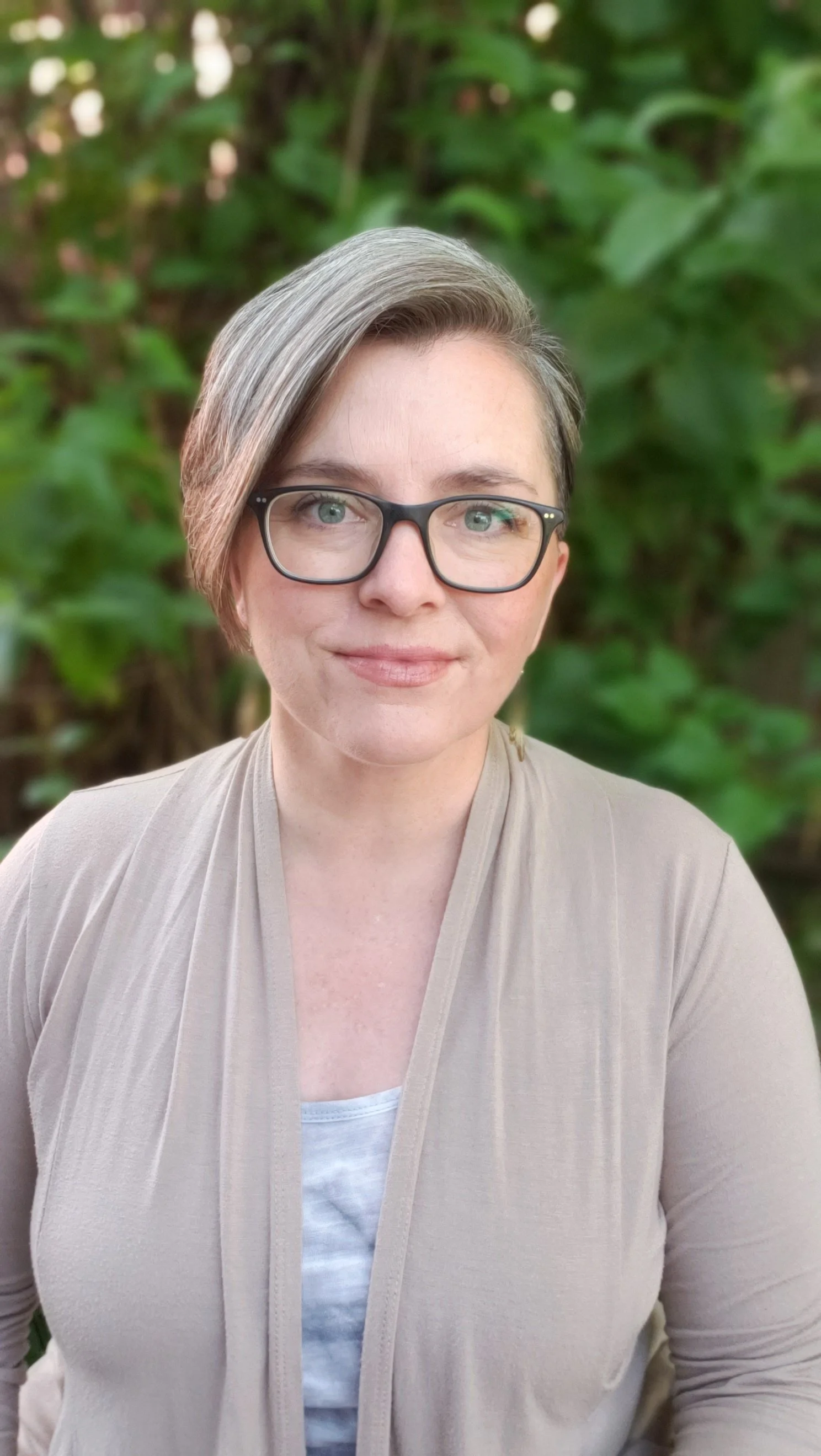
I'm Liz Moore, founder and steward of Wayfinding School. This is where I bring that inquiry into practice, helping people develop the capacity to navigate uncertain terrain and participate responsibly in shaping what comes next.

The future is unfinished.
And you have a part in what becomes possible.